A Craft Approach to Everyday Locks
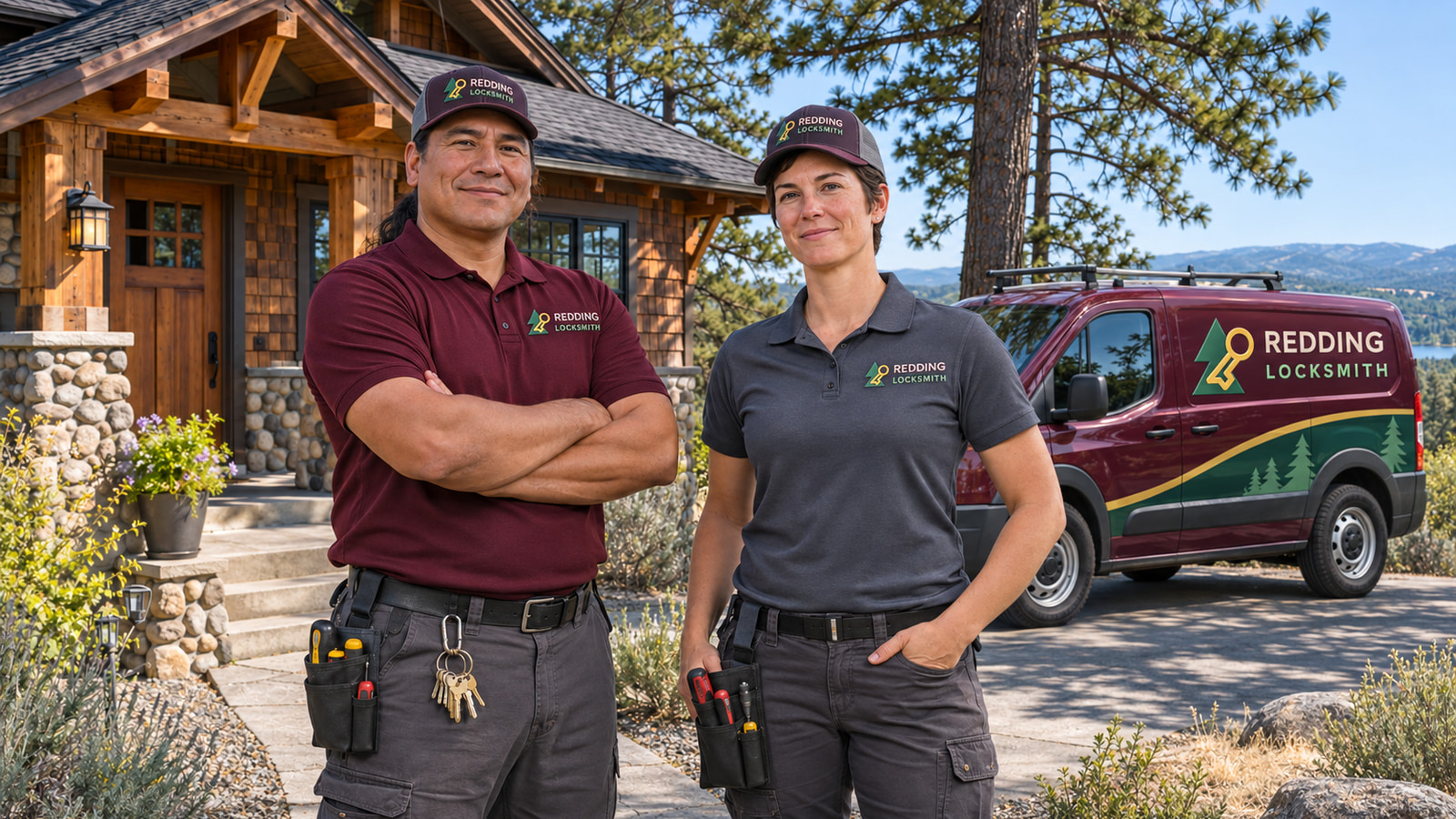
Northern California has a long habit of respecting things that are made well and fitted carefully. You see it in the timber framing of an old barn, in the stonework along a creek, in the way a good cabinet door closes with a quiet click. We try to bring the same attitude to locks. A lock is a small, precise machine, and it deserves patient hands and a bit of curiosity about why it behaves the way it does.
That means we spend time on the question before we reach for a tool. When someone describes a key that turns but does not move the bolt, the answer might be a broken spindle, a loose set screw, a worn latch or a door that has dropped a few millimeters on its hinges. Each of those calls for a different fix, and guessing is how people end up replacing perfectly good hardware. We would rather take a moment to look, listen and test, then explain what we found in ordinary words.
Opening a locked door or vehicle is a skill, and the best way to use it is quietly. Success means you walk through the door or climb into the seat with nothing marked, bent or broken. Paint stays unscratched, weather seals stay seated, door frames stay straight. When a method risks damage, we say so and talk through alternatives. Sometimes the gentlest route takes a few extra minutes, and we think that is time well spent.
We also believe a customer should leave knowing more than when they called. If a deadbolt is binding because the strike plate sits a little low, we will show you where the bolt is rubbing. If a padlock is stiff because dust has packed into the cylinder, we will explain what to clean and what to leave alone. Not every visit needs to end in a sale, and a plain explanation is often what a person needs most.
Honesty is part of the craft. We do not promise outcomes we cannot guarantee, we do not quote prices we have not earned the right to quote, and we do not claim certainty where a door or vehicle might surprise us. Quotes are given by phone once we understand the problem, and complicated jobs begin with a look at the actual hardware. That is simply the fair way to do it, because a phone description of a door is never quite the same as the door.
Our work divides into three broad families. The first is vehicles: lockouts, lost keys, broken keys, ignition trouble, remote fobs that have stopped responding and the odd cases such as keys sealed in a trunk. The second is homes: rekeying after a move, installing deadbolts, repairing worn or sticking hardware, fitting keypad and app locks, and helping with safes, mailboxes and cabinets. The third is business and property: shop and office doors, exit hardware, gates, storage units, sheds and the many small locks that keep a working property running.
What ties them together is respect for the person on the other side of the call. Being locked out is rarely convenient. It may happen at a trailhead after a long hike, in a parking lot on a hot afternoon, at a front door with groceries melting in the bags, or at the back of a shop just before opening. We try to be calm, clear and practical, because a stressed person needs steady help more than a sales pitch.
We keep our explanations simple on purpose. Lock vocabulary can sound like a foreign language, with terms such as strike, backset, bitting and spindle, and nobody should feel talked down to for not knowing it. When we use a technical word, we say what it means. When we recommend something, we say why. If you disagree or want to think it over, that is your call, and we are glad to answer questions before you decide.
Finally, we treat security as a habit rather than a purchase. A strong deadbolt helps, but so do good key control, sensible spare key locations, a lit entry and a door that closes properly. Much of what we do is help people tighten those habits, whether that is a family rekeying after a house sale, a landlord resetting a unit between tenants or a shop owner keeping track of who holds which key. The best result is the one you never notice, because the door simply does its job day after day.
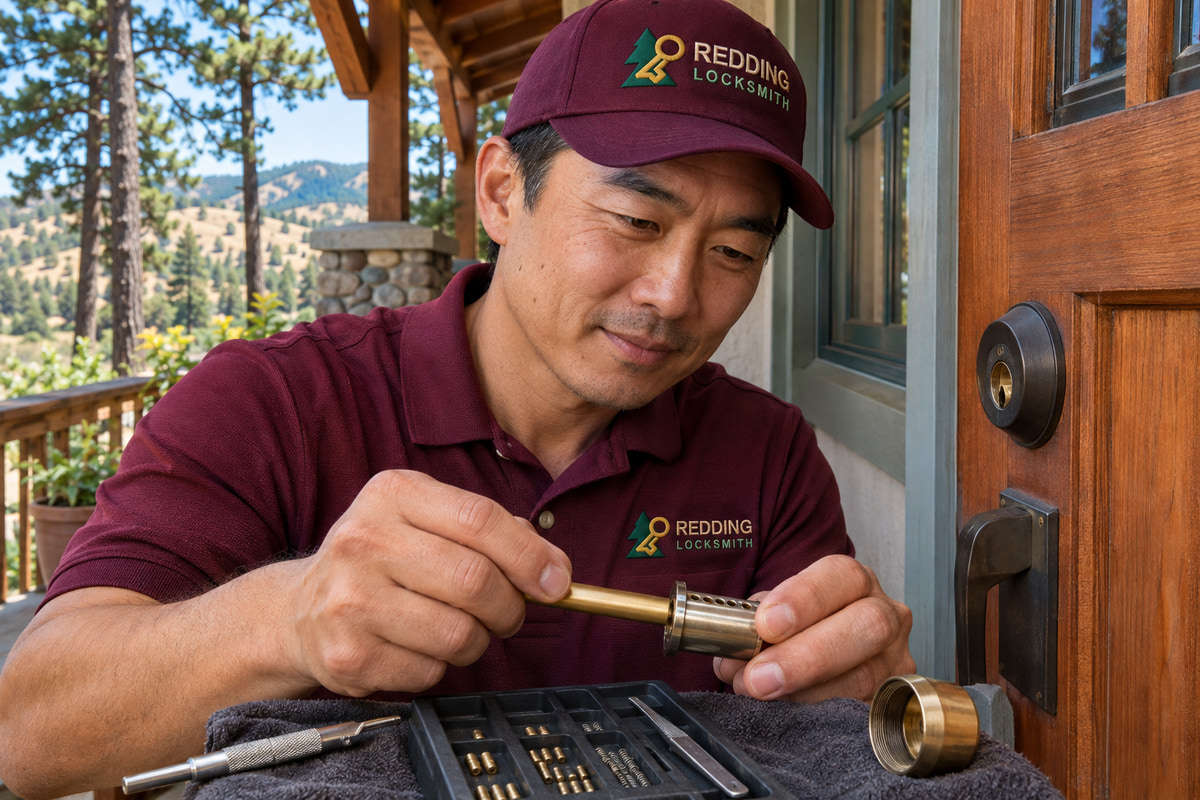
It helps to understand how a typical key and cylinder work, because it explains so much of what we do. Most house keys and many padlocks use a pin tumbler cylinder, where a row of small spring loaded pins must be lifted to exactly the right height by the cuts of the key. When the pins line up, the cylinder turns. When they do not, it stays locked. Rekeying simply changes the pins so a different key cut fits, which is why it is such an efficient way to make lost or copied keys useless without replacing a lock that is otherwise sound.
Vehicles add a second layer. Many modern keys carry a small electronic chip that must be recognized by the vehicle before the engine will run, and remote fobs add their own batteries and antennas. A replacement therefore involves both cutting a blade and teaching the vehicle to accept the new key. We explain which parts of a job are mechanical and which are electronic, so that you understand why one replacement is simple and another takes more preparation.
Wear is the quiet villain in many calls. Keys that were copied from copies slowly lose their original shape, and a worn key will strain a lock until one day it stops turning. Replacing the key from a clean original cut often solves the problem at once. In other cases the lock itself has worn, and a repair or a new cylinder is the sensible answer. Telling the difference is part of the craft, and it saves money when done honestly.
We try to be especially careful with older hardware. A lock that has served a family for decades has character, and sometimes it can be restored with cleaning, adjustment and a modest part. Other times the design simply does not offer the protection a household wants today, and we will explain what a stronger option would look like. Either way, the decision belongs to you, and our job is to make it an informed one.
Why Redding Is Its Own Kind of Lock Country
Redding sits where the Sacramento River leaves the mountains and enters the long valley, and the setting shapes everything from housing to hardware. The river corridor, with its trail and the Sundial Bridge, draws walkers, cyclists and visitors who park near the water and sometimes lock keys in a car or a bike box. A short distance away, Lake Shasta, Whiskeytown and the surrounding forests pull people into the hills with trailers, boats and camping gear, and each of those trips involves locks that must keep working in dust, sun and cold.
The climate is a quiet partner in every lock problem. Summers are hot and dry, with long runs of triple digit afternoons. Wood doors and frames swell and shift, metal parts expand, and a deadbolt that slides smoothly in the morning may bind by late afternoon. Wildfire season adds smoke, ash and fine grit that find their way into cylinders and latches, and it brings a practical side as well, because people think more carefully about where their papers, spare keys and valuables are kept. Winters in the foothills and higher country can turn damp padlocks stiff, and foggy river mornings leave a film on metal that attracts dirt.
The housing mix is just as varied. Closer to downtown and in older areas such as Garden Tract, you find houses with original knobs, rim locks and key styles that are no longer common, and sometimes a front door that has been painted shut a few times over the decades. Mid century ranch homes, spread across many neighborhoods, often have solid wood doors with tired hardware that can be made good again with a rekey or a new deadbolt. Newer subdivisions tend to arrive with matching builder locks, which suit the budget of a developer more than the needs of a family, and upgrading the entry hardware is a common wish.
Outside the city, the properties change character. Rural parcels east toward Palo Cedro and Millville, west toward the Clear Creek and Quartz Hill roads and south toward Cottonwood and Anderson often carry gates, barns, shops and sheds. A gate latch on acreage faces wind, livestock and the occasional truck bumper. An outbuilding lock may sit unattended for weeks. A long gravel drive means that a lockout is not just an inconvenience, it can be a long wait, and that is why spare keys and thoughtful hardware choices matter so much out there.
The lake country brings its own routines. Cabins and rentals near Lake Shasta see guests come and go, which makes keypad and app locks attractive, and it also makes battery habits important. Boat trailers, campers and storage units fill the shoreline in warm months, and each of them needs a lock that resists weather and curious hands. Visitors who arrive for a weekend may not know the area at all, so a plain, patient conversation on the phone counts for a great deal.
Businesses in Redding range from downtown storefronts and older masonry buildings to shops along Hilltop Drive and Cypress Avenue, offices, warehouses around Stillwater Business Park and workspaces near the airport. These doors face heavy daily use, staff changes, deliveries and, in many cases, fire and exit rules that shape what hardware is appropriate. A push bar that sticks, a back door that will not latch or a key that nobody can account for are all common problems, and each deserves a considered answer rather than a quick swap.
Our area pages go into these places one by one, because a lock problem on a hillside near Bear Mountain Road is not the same as one beside the river trail, and a cabin near Lakehead has little in common with a shop in the middle of the city. We try to keep each description honest and general, mentioning the kinds of places and conditions that people there recognize, without pretending to know the private details of any one property.
Travel is a constant in this region. Interstate 5 runs through the middle of it, Highway 299 and Highway 44 lead east, and Highway 299 also leads west toward Whiskeytown and the old gold country towns. Drivers pass through in every season, and a lockout at a pullout or a trailhead can happen to anyone. Because distances can be long, we ask where you are, what is around you and how best to find you, and we talk through what to do while you wait, including how to keep people and pets comfortable and safe in hot weather.
All of this adds up to a simple point. Good lock work here is not generic. It means choosing hardware that tolerates heat and grit, thinking about gates that face wind, advising families on keys that survive busy lives and remembering that many customers live well beyond the city grid. We try to hold that local picture in mind every time the phone rings.
Seasons set the rhythm of calls. Spring brings moving days and new owners who want fresh keys. Summer brings heat related sticking, trailer trips and lockouts at the lake. Autumn, with smoke and the first cool mornings, turns attention to documents, spare keys and tidy preparation. Winter in the higher country brings frost on car door locks, stiff padlocks and gates that need a firm latch against storms. Knowing this calendar lets us suggest small seasonal habits, such as a light cleaning of a cylinder before summer dust arrives, or a check of gate hardware before the first heavy winds, that keep locks working with less fuss.
People in this region also tend to share property and keys across generations and neighbors. A family cabin may have a dozen hands on its keys, a ranch gate may be used by hired help and relatives, and an older parent may live in a house with a lock that has not changed in a very long time. These situations call for thoughtful key control rather than a quick fix, and we enjoy helping households work out a sensible plan.
What You Can Expect and What We Hope to Leave Behind
When you call, expect a conversation rather than a script. We will ask where you are, what kind of door, gate or vehicle is involved and what has happened so far. We may ask you to describe how a key feels in the lock or what a dash light is showing. These questions are not for show, they let us understand the job well enough to give you a useful quote by phone and to bring the right tools.
For simple work, a phone quote is usually enough to begin. For anything complicated, such as replacing hardware on several doors, designing key control for a shop or dealing with an unusual gate, we start with a visit. Looking at the real thing is simply more accurate, and it protects you from a quote that changes once the door is open. We do not promise a particular arrival time or price in advance, because the honest answer depends on distance, conditions and the work itself.
On site, we explain what we are about to do and why. If there is a choice between a quick fix and a better long term repair, we lay out both. If a lock can be saved with cleaning, adjustment or a small part, we say so. If it truly needs replacing, we describe what the replacement should offer, such as a sturdier bolt, better key control or an easier daily routine. You decide, and nothing proceeds without your agreement.
Afterward, we try to leave you with something useful. That might be a spare key placed in a sensible spot, advice about lubricating a cylinder with the right product, a note about checking a strike plate each season or simply a clearer idea of how your lock works. Our guides on this website are written in the same spirit, so you can read about a problem at your own pace, whether it is a sliding door that will not catch, a gate that swings open in the wind or a safe that refuses to open after the batteries die.
We think about privacy as part of the job too. When we work on your home, shop or vehicle, we see how it is secured, and we treat that knowledge with discretion. We do not discuss one customer's property with another, and we encourage you to do the same with your keys, codes and combinations. Anything you send through the contact form goes to the business so we can reply, and our privacy page explains the details in plain terms.
Accessibility matters as well. Locks and doors need to work for people with limited grip, reduced vision, mobility aids or a house full of small children. Lever handles, larger keypads, easier turning thumb turns and thoughtful placement can make a real difference, and we are glad to discuss them. Our website aims to be readable and usable too, and the accessibility page explains how to reach us if something gets in your way.
We also hope to help the community in a small, practical sense. Wildfire season reminds everyone how quickly a household may need to leave, and a little preparation with keys, papers and spare copies can reduce stress later. Our guides touch on these ideas in a general way, without alarm, because calm planning tends to serve people better than worry does.
If you are thinking about whether to call, here is a simple way to decide. If you are locked out, call now. If a lock is misbehaving but you can still get in, read the matching guide and call when you are ready. If you are planning an upgrade, such as new deadbolts, keypad locks or a better gate latch, call and describe what you have, and we can talk through choices without any rush. If you are not sure whether a problem is worth a call, it probably is, because small lock problems tend to grow.
Our aim is modest and clear. We want to be the locksmith people in Redding and Shasta County think of when a key goes missing, a door will not open or a lock needs thoughtful attention. We want those calls to end with the door open, the key working and the explanation understood. If we do that, one household or business at a time, we will have done our job.
Another thing we hope to leave behind is a sense of proportion. Not every lock problem is an emergency, and not every emergency needs an expensive answer. A door that sticks in July may simply need its hinges tightened. A key that feels rough may only need a clean cylinder. A keypad that ignores your code may need new batteries rather than a new lock. We would like you to feel able to ask a simple question without worrying that it will turn into a sales conversation.
We also hope the guides on this site become a quiet resource for neighbors. A renter who learns why a bolt binds can describe it clearly to a landlord. A parent who understands how a privacy door works can stay calm when a toddler turns the knob. A rancher who learns what makes a gate latch hold in wind can choose better hardware the first time. Knowledge of this kind spreads, and it makes the whole community a little more secure and a little less anxious about everyday things.
Looking ahead, we expect locks to keep changing. Keypads, app controlled bolts and shared access codes are becoming ordinary, and they come with new habits to learn, from battery checks to who should receive a code. We intend to keep explaining these tools in plain language, including their limits, so that people can use them wisely and keep a good old fashioned key as a backup where it makes sense.