North of the river, two eras side by side
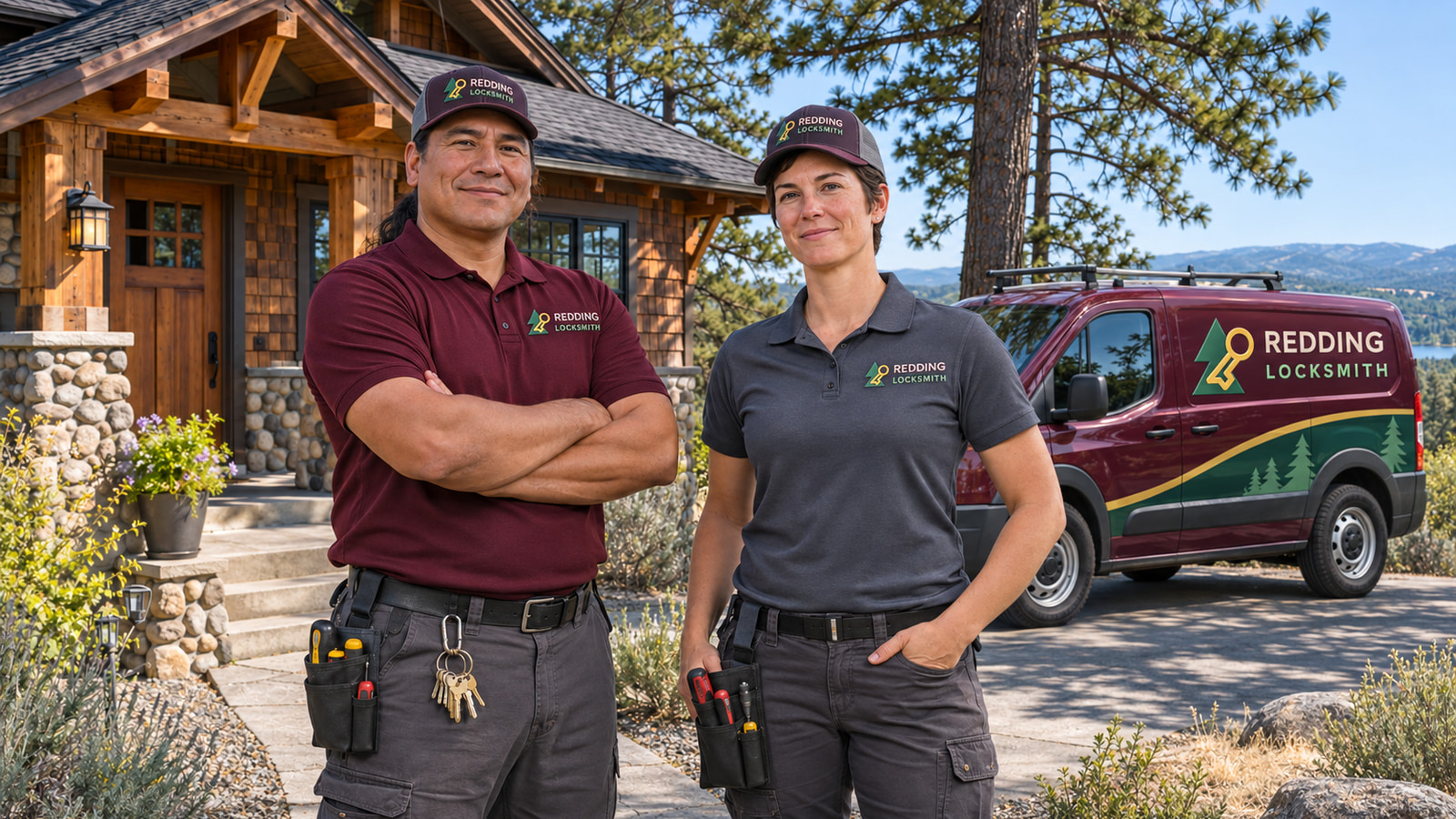
Crossing the Sacramento River to the north side of Redding, you find neighborhoods with a distinct feel. The Buckeye area is a good example of a place where change has arrived in pieces. Some lots hold older houses that have stood for decades, with mature plantings and well worn walkways. Next door or down the street may be newer homes, built on lots that were once open or held a smaller structure. The result is a patchwork, and a patchwork of houses is also a patchwork of locks.
That mix means that two neighbors can have very different security without realizing it. One house has a deadbolt installed by a builder in recent years, a clean strike plate and a solid door. The other has a knob lock that has been in place longer than anyone can recall, a door that sticks in the wet months and a spare key hidden in a spot every neighbor knows. Both owners may feel perfectly safe, but their actual situations are not the same.
The north side also has its own traffic patterns. Roads that link to the river crossings carry commuters, and lots near the main routes see more passing vehicles. Streets set back from those routes are quieter, and a lockout there can feel isolated. Being clear about your location when you call is more important than usual, because street names and numbering can be confusing to a stranger.
The aim of this page is to speak to the people who live on these streets: homeowners who inherited an older place, families who bought a recent build, renters, and landlords who manage a few doors. Each has slightly different needs, and this page addresses them without assuming you want a large project.
If you take one idea away, let it be that you should know what is on your doors. A short walk around the house, looking at each lock, tells you more than any advice can. After that, you can decide what, if anything, needs attention.
Take a plausible Tuesday evening as an illustration. A resident of an older lot returns from work to find that the front door deadbolt will not turn with the key. The house next door, a recent build, has a keypad lock that is flashing low battery. Two very different houses, two different morning headaches ahead. The first needs a look at a worn cylinder and perhaps a rekey or replacement. The second needs fresh batteries today and a plan so the warning is never ignored again. Neither is an emergency yet, and both are easier to handle before the lock fails than after.
This is a good reason to treat lock care as ordinary home upkeep, like checking smoke alarms or clearing gutters before the wet season. A few minutes each season to test every lock, every key and every battery keeps the surprises small.
Older lots, original hardware and the habits of long ownership
On an older lot, the house and its hardware have usually been through a lot of seasons. Doors may be wood and may have been repainted many times, which can thicken edges and make latches bind. Hinges may be loose, and frames may have shifted. The locks may be the originals or early replacements, with worn parts that give a hint of a problem before they fail outright.
Long ownership brings its own habits. People who have lived in one place for many years know where the spare key is and have used the same routine every day. That is comfortable, but it can also mean problems are ignored until they become urgent. A key that sticks a little more each month is a signal, not a quirk. Having it checked early is cheaper and easier than waiting for a morning when it fails.
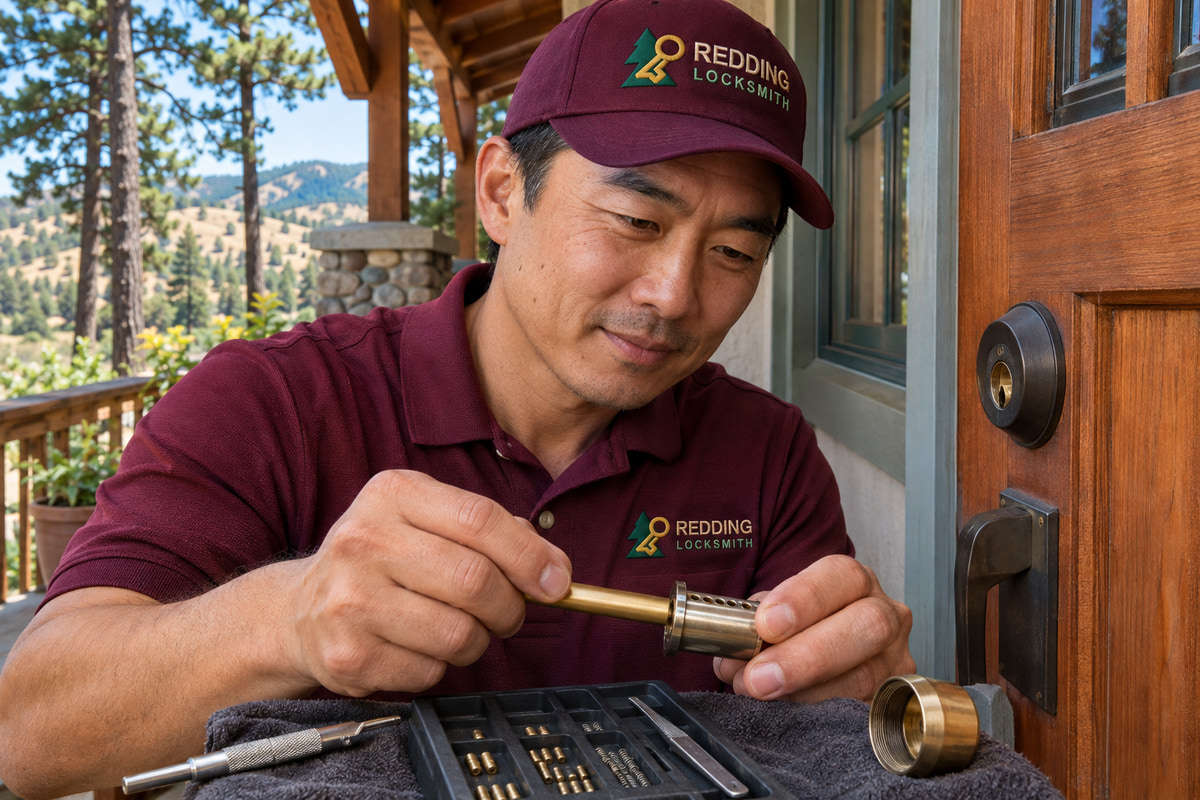
Look at the whole door assembly. A knob that wobbles, a latch that does not retract fully, a deadbolt that needs a lift to engage, a strike plate with chipped paint around it. Each is a clue. Sometimes cleaning and tightening cure it. Sometimes a part needs replacement. A locksmith can tell you which, and can often show you what is wrong so that you understand it.
Older lots often have detached garages, workshops and storage buildings. The doors on those buildings may have padlocks and hasps that have been in place for years. Check that the hasp is firmly fastened and the padlock turns freely. Replace any padlock whose key has worn or whose body shows rust. A small investment keeps tools and equipment secure.
If you inherited a house with a drawer of mystery keys, treat sorting it as a project. Test each key on each lock, label those that work and set aside the rest. If some locks have no working key, a locksmith can often rekey or replace them. The reward is a clear system and a calm sense of knowing what you have.
Consider wooden window frames on older houses as well. They hold simple sash latches that were never meant to resist force. A locksmith can suggest pins or sash locks that fit the existing frame without changing its appearance. Make sure that at least one window in each bedroom can still be opened quickly from the inside, since those are escape routes in an emergency.
Doors between the house and an enclosed porch are another common weak point. They are often light and have a lock that is more decoration than protection. If the outer porch door is the only barrier, treat the inner door as the real one, with a solid core and a proper deadbolt.
Newer builds and their quick fixes
Newer homes in the Buckeye area benefit from modern construction. Frames are square, doors are consistent and locks are standard. But new does not mean fully secured. Builders choose hardware that is functional and affordable, and may use short screws and light strike plates. A few upgrades go a long way.
The first is longer screws. Replacing the short screws in the strike plate and hinges with three inch screws that reach the wall framing is among the most effective things you can do. It costs little and takes a short time, but it makes a door far harder to force. A locksmith will often do this during a visit as a matter of course.
The second is rekeying. Houses that have been built or sold recently often have keys in the hands of contractors, agents and previous owners. A rekey changes the inside of the locks so that those keys no longer work. You keep the same hardware and gain the confidence that only your keys open your doors.
The third is attention to the garage. Newer homes often have an attached garage with a door into the house. That interior door should have a deadbolt, a solid core and a strike plate with long screws. The garage door opener should have a unique code, and spare remotes should not live in cars overnight.
Smart locks fit these homes well. They allow codes for family members and guests and remove the need for a physical key on most days. They bring batteries, codes and settings to manage. If you choose one, set a reminder for the battery, keep a mechanical backup and learn how to reset it. A tidy, simple setup is better than a complicated one.
It is worth noticing the difference between a lock that looks substantial and one that is. A heavy, polished handle set may hide a lightweight latch. Test the feel: the bolt should move cleanly, the handle should return crisply, and there should be little play in the parts. A locksmith can feel the difference in seconds, and a quick explanation helps you decide whether the hardware is worth keeping.
New homes often have a brief period when the framing settles and doors shift slightly. If a lock that worked perfectly for a year starts to catch, do not assume a defect in the lock. A small strike adjustment often brings it back, and doing it early prevents wear.
Fences, gates and the yard side of the house
The yard side of a house is often less protected than the street side. Back fences have gates, gates have latches, and latches are often just a simple bolt. A dog may be kept in, but a person is not kept out. Adding a lockable latch to the gate, and making sure the fence is in good repair, provides a modest but useful barrier.
Back doors often face the yard and are hidden from the street. A solid door with a good deadbolt and a strong strike is the right choice here, and a light on a motion sensor is a good addition. Sliding doors need a secondary lock or a bar in the track, since their standard latch is minimal. Check that the rollers are in good condition so that the door cannot be lifted off its track.
Outdoor storage is common: sheds, bins, bike racks and tool boxes. Each can hold valuable things. Use padlocks designed for outdoor use, with a shrouded shackle and a weather resistant body. Keep keys separate from the house keys so that losing one does not compromise the other.
Hot dry summers and wetter winters affect gate hardware. Latches may expand and bind in heat, and hinges may rust in damp. A seasonal check that includes cleaning, tightening and lubricating keeps things moving. If a gate sags, correct it early; a sagging gate stresses the latch and eventually fails.
Finally, think about visibility. A yard that cannot be seen from the street or neighbors can conceal activity. Trimming back dense shrubs near windows and doors, adding lighting and keeping side yards tidy all reduce risk. Lock quality is only one part of a secure property.
Pets add a dimension. A dog door can become an entry point, and a gate left ajar by a visitor can release an animal. Choose a latch that closes by itself and cannot be bumped open by a dog's shoulder. For households with children, a gate lock placed high enough to be out of reach adds a layer of safety around pools, ponds and busy streets nearby.
Mailboxes at the street and detached packages boxes can be fitted with small locks. Keep their keys apart from your main set so a lost mailbox key never exposes more than the mail.
Trucks, trailers and work vehicles
North side streets are home to many work trucks, pickups with toolboxes, utility trailers and the occasional camper. These vehicles carry locks of their own, and the contents are often worth more than the lock protecting them. A toolbox lock that is easily forced, a trailer hitch without a coupler lock, and a tailgate lock that sticks all invite trouble.
Vehicle lockouts are common here. Someone hops out to open a gate, lets the door close, and finds the keys on the seat. Or a worker returns from a job site to discover the keys in a jacket pocket on the seat. When this happens, check the other doors, keep calm, and call. Be ready to prove ownership with registration or insurance papers, or with another document that links you to the vehicle.
Trailers deserve a plan. A parked trailer in a driveway is a target. A coupler lock, a wheel lock and a chain to a fixed object are layered measures that make theft harder. Record the identification number and keep a photograph. If you rent or borrow a trailer, check the lock before you leave the yard, and confirm you have the key.
For work vehicles with several drivers, key control is a challenge. A spare key in each cab is convenient but risky. Keep a log of who has which key, and consider a lockbox at the yard to hold spares. If a driver leaves the job, replacing locks or reprogramming keys is sensible.
Ignition and steering column problems are more frequent in older work trucks. A key that sticks, turns partway or will not release is a sign of wear. Do not force it; instead call for help. A locksmith can inspect the cylinder and recommend repair or replacement.
Seasonal travel adds to the list. When a household leaves for a camping weekend toward Whiskeytown or Lake Shasta, the house, truck, trailer and camper all need to be locked and their keys accounted for. Make a short checklist before leaving: house locked, gate latched, trailer coupler locked, camper keys in a known pocket. The routine takes a minute and prevents the most common trouble on the way out of town.
Calling for help from the north side
When you call, begin by saying where you are. Name the street, the nearest cross street and any landmark, and say which side of the river you are on. The north side has several bridges and routes, and a description helps a locksmith plan the quickest approach. If your house is down a lane or behind a gate, say so.
Describe the problem in plain terms. Is it a door, a gate, a vehicle, a shed? What happened? What have you tried? If the door has a deadbolt, say whether it was locked. If the lock is damaged, describe what you see. These details help with planning and with giving you an honest idea of what to expect.
Have your identification and proof of residence or ownership ready. Renters should have the lease and the landlord's contact. For a vehicle, have the registration or insurance paper if reachable. A professional will ask for these, and having them to hand speeds things up.
Plan for the visit by clearing the area, securing pets and turning on lights if it is dark. If you need to leave, ask someone you trust to stay. Keep your phone on and charged.
Afterward, review what happened and what to change. Maybe it is time for a spare key plan, a rekey, a stronger strike or a keypad. A good locksmith can talk you through options without pressure, and you can decide what suits your household and your budget.
Finally, if you are managing rental property on the north side, plan for turnover. Each new tenant is a reason to rekey. Keep a record of the key codes and the dates of changes, and store spare keys securely. This protects both the property and the new occupant, and shows basic care. Many tenants appreciate being told that the locks have been changed for them, and it prevents arguments if an old key is later found in a drawer.
If the property has several units, consider a master key arrangement that allows entry for maintenance without a ring of separate keys. A locksmith can explain how such systems work and what they cost in terms of complexity.
Keep a short list of the questions worth asking at any visit: what is the condition of the lock, what are the options, what does each involve, and what would you do first. Plain questions get plain answers, and they leave you in charge of the decisions that matter for your own home.
Where in the Buckeye area people ask for lock help
Requests come from older lots where doors and hardware have aged, from newer streets where owners want rekeying and stronger strikes, and from properties with detached garages and yards. Others come from vehicles parked in driveways or along the street, with keys locked inside.
Describe the type of house and the lock, and whether the house is rented or owned, so the conversation can start from the right place.
Property managers and landlords also call from this part of town, usually about rekeying between tenants, worn deadbolts and doors that stick after a season of weather. They tend to want straightforward, durable fixes and a clear list of what was done for their records, which is a reasonable thing to ask for from any locksmith visit.
Nearby areas and how they differ
Closer to the commercial strips are the Hilltop Drive corridor and the Cypress Avenue corridor, each with its own page. Toward the river and the trail lies the Parkview neighborhood. The north side stretches in several directions, so read the page that matches your street. This page speaks to the mix of older lots and newer builds, which is the defining feature of the Buckeye area.
A practical note on borders: neighborhoods do not announce where they end, so a house on the edge of the Buckeye area may feel closer to the commercial strips than to the quieter lots. If you are near a main route, expect more traffic noise and more casual foot traffic, which can change how you think about lighting and visibility. If you are on a back street, expect quiet and the need to be clear about directions when calling for help.
Whichever description fits, the same basic advice stands. Know your locks, know your keys, keep a spare plan that does not rely on a hiding place, and ask for help early when something starts to behave oddly. The related guides linked from this page go deeper on keypad batteries, safes, lock repair and the commercial corridors nearby.